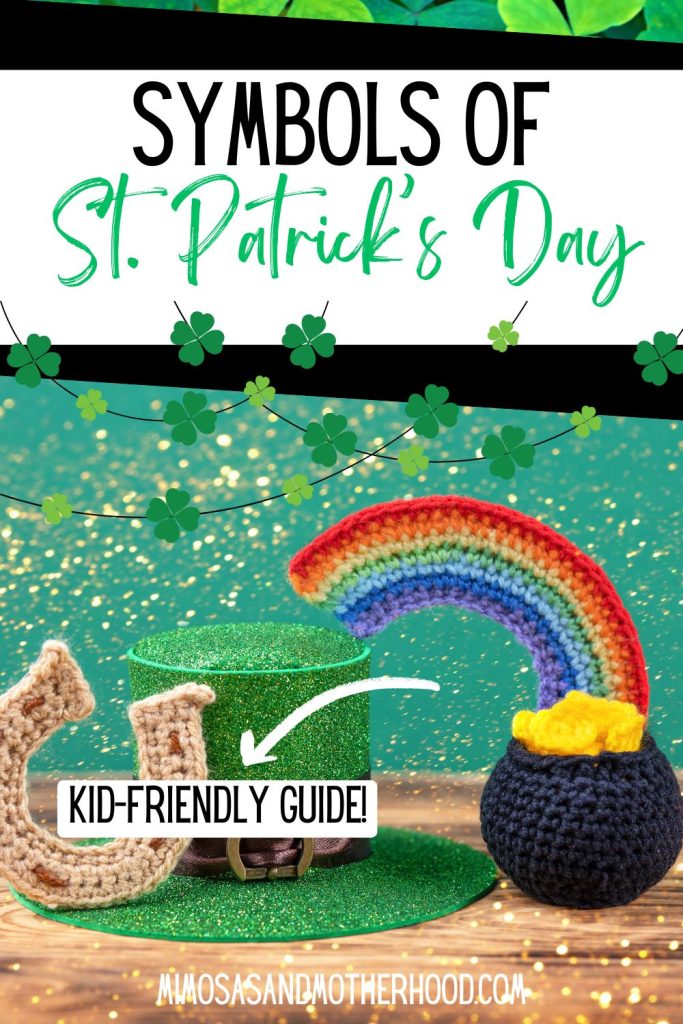
Symbols of St. Patrick’s Day (Explained for Kids)
Curious about the symbols of St. Patrick’s Day? This parent-friendly guide explains shamrocks, leprechauns, pots of gold, Celtic crosses, and other St. Patrick’s Day symbols in a way kids can understand. Perfect for crafts, books, and meaningful family conversations about Irish heritage and traditions on March 17th.
If you’ve ever wondered about the symbols of St. Patrick’s Day, and why everything suddenly turns the color green on March 17th, you’re in the right place.
As a mom of three (and someone whose mom’s side of the family is Irish), this holiday has always felt personal to me. My name, Siobhán, is an Irish baby name. I grew up hearing Irish music in the kitchen, learning bits of Irish history, and celebrating St. Patrick’s Day as more than just green clothing and shamrocks.
So, when my own kids started asking questions about leprechauns, pots of gold, and the Chicago River turning bright green, I knew I wanted to share the deeper meaning behind the fun.
If you’re parenting young kids and looking for simple, meaningful ways to explain St. Patrick’s Day symbols, this guide will help you connect crafts, books, and conversations to the real history of St. Patrick, in a way that’s easy to understand.
Note: Some links may be affiliate links. That means I may make a commission if you use my links to purchase, at no extra added cost to you! I only recommend products that I personally love and believe in. Full disclaimer here.
What Is St. Patrick’s Day?
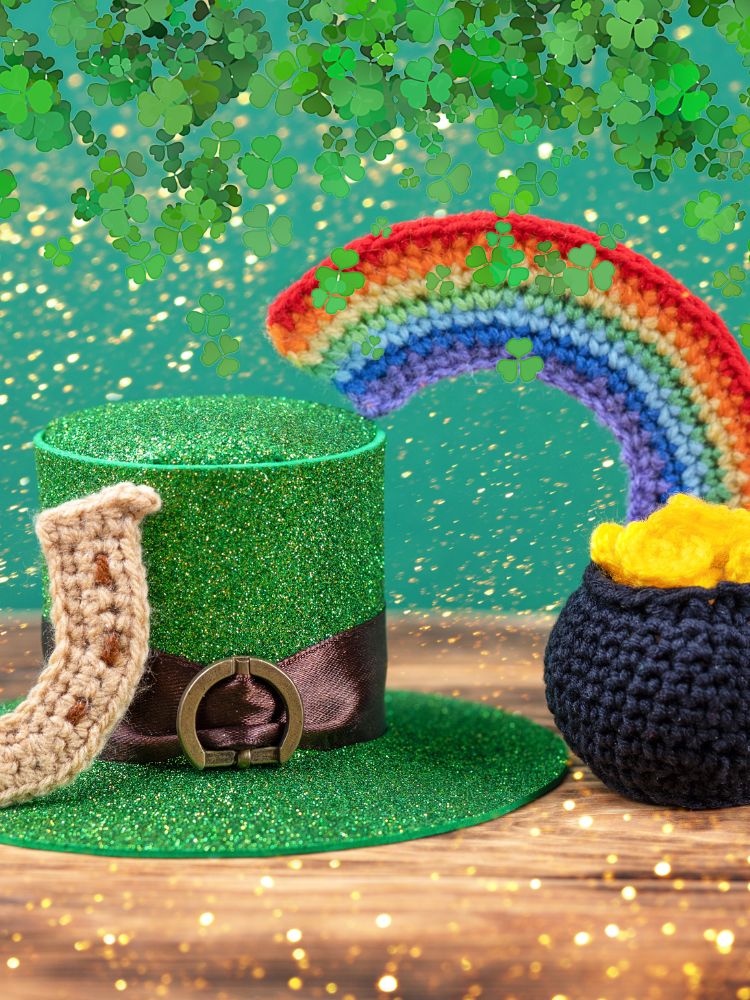
St. Patrick’s Day is celebrated every year on March 17th. It began as a religious holiday and feast day honoring the patron saint of Ireland, Saint Patrick. Over time, especially in the United States, it became a larger celebration of Irish culture, Irish pride and Irish heritage.
Today, you’ll see lively parades, Irish music, green beer for adults and families wearing green clothes. But underneath all of that are traditional symbols that connect back to Irish history, ancient Ireland, Christian faith, and even Celtic mythology.
How to Teach Kids About St. Patrick’s Day Symbols
If you’re celebrating with young children, here are simple, meaningful ways to incorporate learning:
- Read a children’s book about Saint Patrick.
- Create shamrock crafts or other St. Patrick’s Day crafts
- Listen to Irish music.
- Bake Irish soda bread.
- Talk about your family’s heritage.
- Watch a parade together.
You don’t have to do everything. Even one intentional conversation can make a big difference when it comes to understanding the meanings behind these symbols and this holiday.
Symbols of St. Patrick’s Day (explained in a kid-friendly way)
Let’s dive into a kid-friendly guide to St. Patrick’s Day symbols and their meanings.
The Shamrock (Three-Leaf Clover)
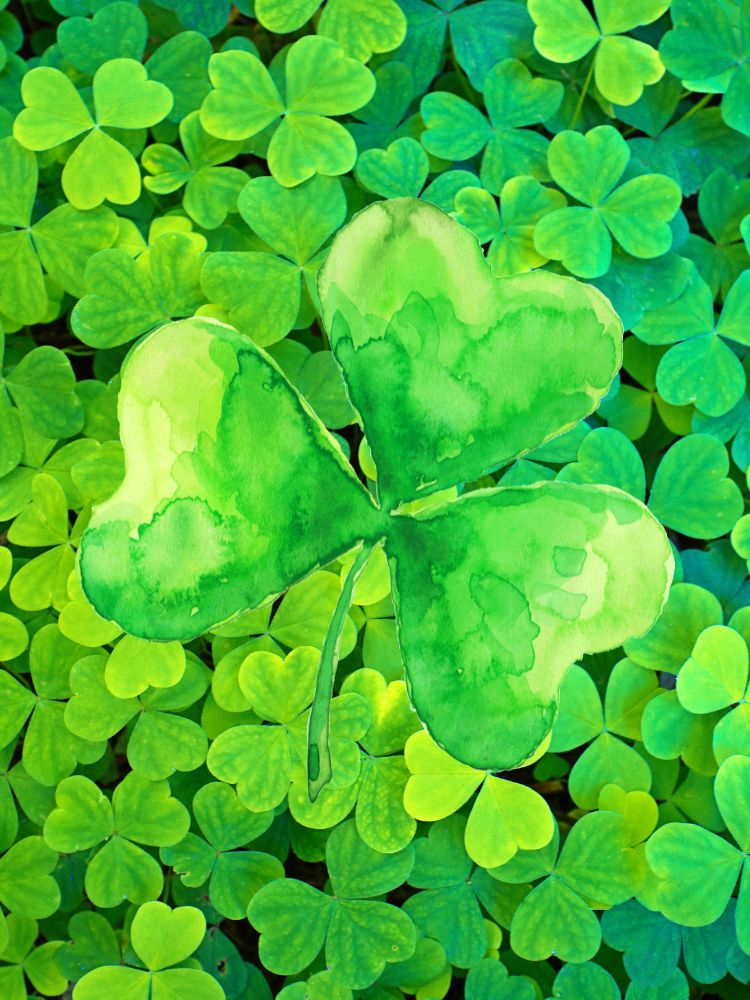
The three-leaf clover, also called a shamrock, is one of the most popular symbols of St. Patrick.
According to early references from the fifth century, Saint Patrick used the leaves of the shamrock, a simple three-leafed plant, to explain the Holy Trinity in Christian beliefs: the Father, the Son, and the Holy Spirit. One plant, three parts. It became a powerful Irish symbol and part of Ireland’s national symbol identity.
For kids, this is a great time to talk about:
- Counting to three
- Finding clovers outside
- Making shamrock crafts from construction paper
- Talking about faith in age-appropriate ways
The Four-Leaf Clover
While the shamrock has three leaves, the four-leaf clover is considered a symbol of good luck.
The extra leaf is rare, which is why finding one is seen as bringing good fortune. In Irish myths and ancient Irish folklore, four-leaf clovers were believed to hold magical powers.
This is a fun opportunity for:
- A backyard “clover hunt”
- Math activities about probability
- Talking about what “luck” really means

The Color Green
Why do we wear green on St. Patrick’s Day?
Ireland is often called the Emerald Isle because of Ireland’s lush landscapes. The rolling hills of Ireland are famously green, and over time, green became the color most associated with Ireland.
Green is also tied to Irish nationalism and later became symbolic of Irish pride during periods of Irish rebellion in the 17th century and beyond. Today, the green stripe on the Irish flag represents Irish Catholics and Irish nationalism, while the orange stripe represents Protestants, and the white stripe represents peace between them.
Fun family ideas:
- Wear green clothes or green clothing to avoid playful pinches
- Make green sensory bins
- Dye pancakes green for breakfast
- Learn about the Irish flag together
The Leprechaun
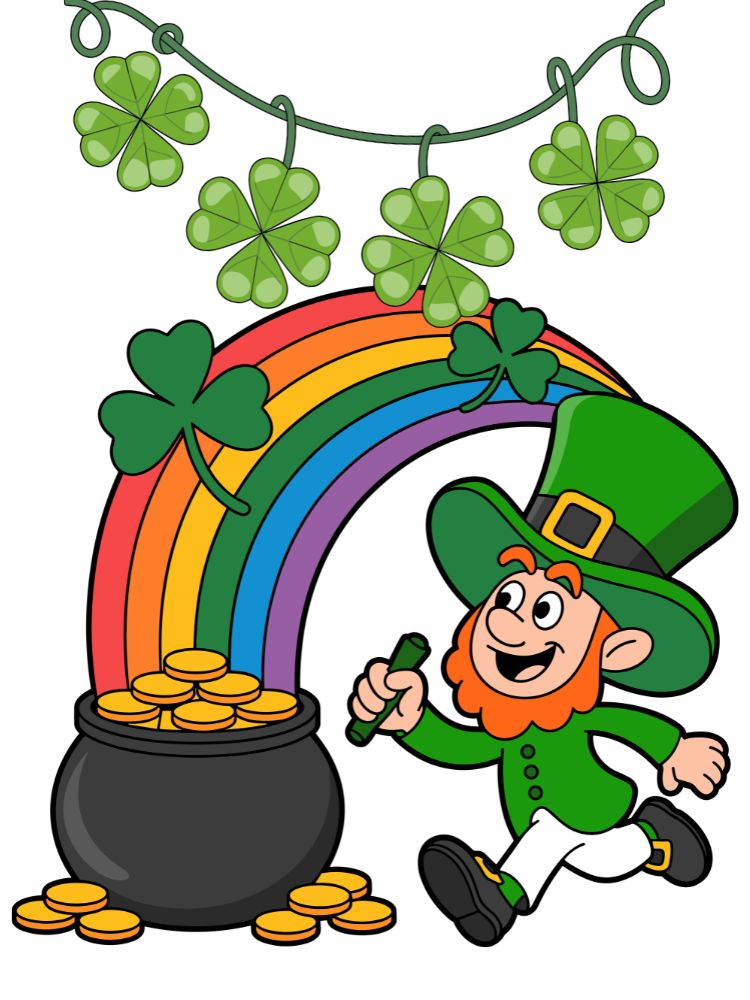
Leprechauns come from Celtic mythology and ancient Irish folklore. They’re often described as tiny shoemakers who hide their gold coin treasure at the end of a rainbow.
While leprechauns aren’t part of the original religious holiday, they became part of the celebration of Irish culture over time. They represent imagination, storytelling, and Irish myths passed down through generations.
With kids, this is the perfect time for:
- Leprechaun trap STEM challenges
- Creative writing about finding a pot of gold
- Reading books about St. Paddy’s Day magic
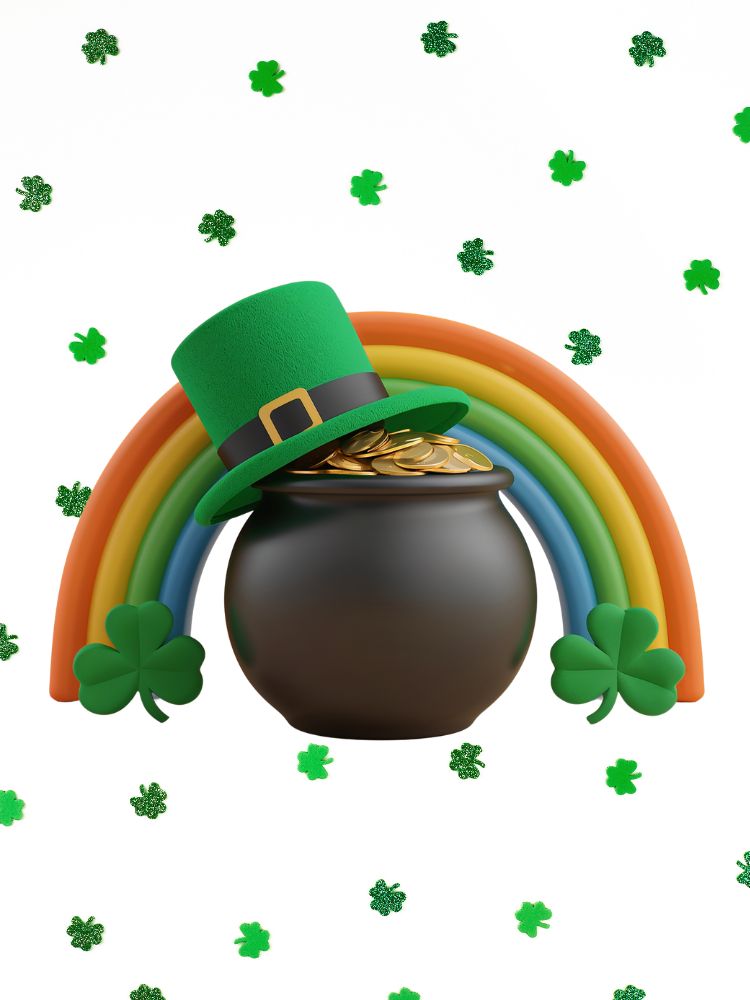
Pots of Gold and The End of the Rainbow
The idea of pots of gold hidden at the end of rainbows connects to leprechaun legends.
In stories, if you catch a leprechaun, he must give you his gold. Of course, the end of a rainbow is impossible to find, which makes this symbol playful and imaginative.
This is a great springboard for:
- Science lessons about rainbows
- Art projects using watercolors
- Discussions about imagination vs. real-life history
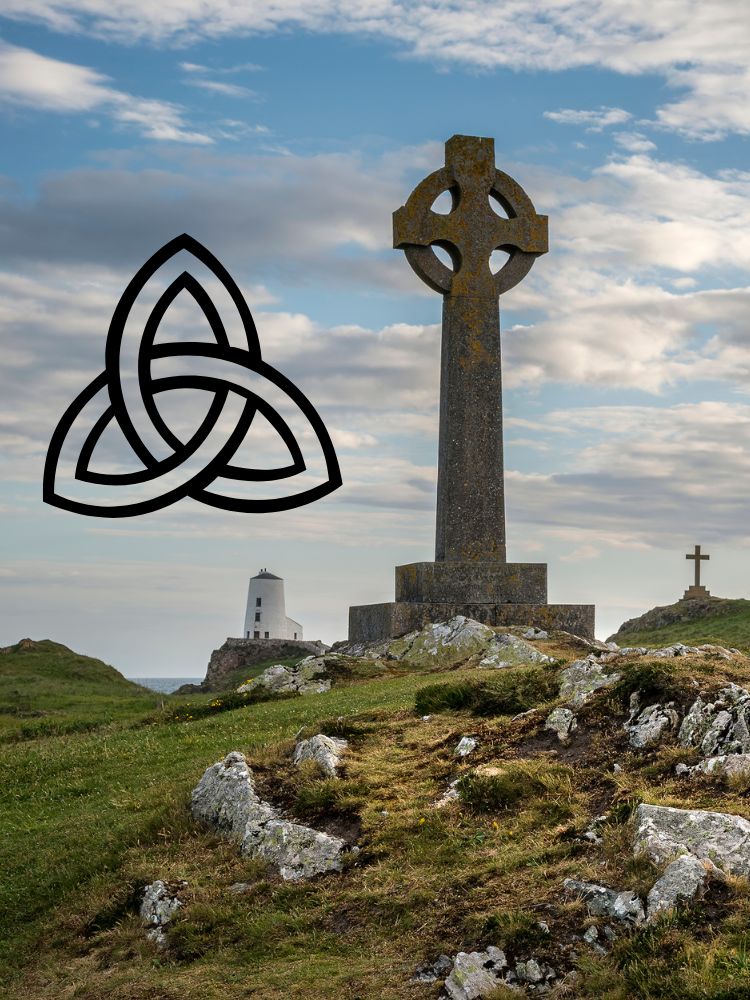
The Celtic Cross
The Celtic cross combines a traditional Christian cross with a circle around the intersection. It’s an ancient symbol connected to both Christianity and earlier Celtic traditions in ancient Ireland.
As a Christian missionary, Saint Patrick helped spread Christian teachings throughout Ireland. The Celtic cross represents that blending of cultures.
If your family observes Christian faith, this can be a meaningful conversation about how symbols tell stories.
The Trinity Knot
The trinity knot (also called the triquetra) is a Celtic symbol with three interconnected loops. It represents eternity and interconnectedness. Like the shamrock, it is sometimes associated with the Holy Trinity.
You’ll see trinity knot designs in Celtic knots, jewelry, and artwork.
Craft idea: Let kids create their own knot patterns and talk about how families are connected.
The Irish Harp
The harp is Ireland’s national symbol and appears on official government documents and coins. Historically, Irish harpists played traditional Irish music in royal courts.
Today, the harp represents Irish heritage and culture. It’s a beautiful way to introduce kids to Irish music and instruments.
The Blarney Stone
Located at Blarney Castle, the Blarney Stone is said to give the “gift of gab” (eloquence) to anyone who kisses it.
Whether or not you believe in its magical powers, it’s part of Irish history and tradition.
With kids, you can practice public speaking games or talk about storytelling as part of Irish traditions.
The Chicago River Turning Green
One of the most famous modern St. Patrick’s Day traditions in the United States is dyeing the Chicago River green.
This tradition started in the 20th century and has become one of the most photographed celebrations in the country. It’s a perfect example of how Irish immigrants helped shape how the holiday is celebrated in America. In Georgia, the water in Savannah is also dyed green!
St. Patrick Himself
The history of St. Patrick begins in Roman Britain, where he was born in the late fourth or early fifth century. As a young adult, he was kidnapped by Irish raiders and taken to Ireland as a slave. After escaping, he later returned as a Christian missionary to share his faith.
His feast day, March 17th, marks the day of his death. Over time, Saint Patrick’s Day grew from religious services into a national holiday in Ireland and a worldwide celebration of Irish culture.
The Irish Flag
The Irish flag has three stripes:
- Green (for Irish nationalism)
- Orange (for Protestant traditions)
- White (for peace)
It’s a wonderful teaching tool for kids about unity and respect.
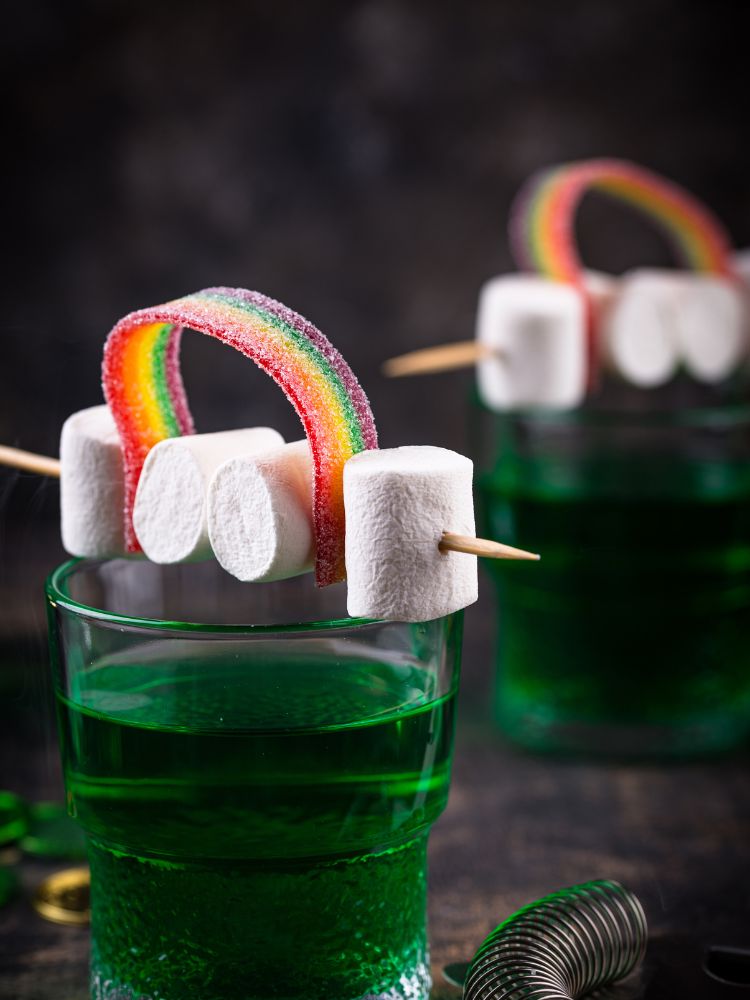
Modern St. Patrick’s Day Traditions
Today, St. Patrick’s Day symbols include:
- Shamrocks
- Leprechauns
- Green beer or a pint of Guinness for the grown ups
- Lucky charms
- Lively parades
- Green clothes
But at its heart, Saint Patrick’s Day is about Irish heritage, celebration of Irish culture, family, community and remembering Ireland’s history.
Why This Holiday Matters to Me
Because my mom’s side of the family is Irish, St. Patrick’s Day has always been more than stock photos of leprechauns and green beer. It’s about remembering where we came from. It’s about honoring Irish immigrants who shaped the United States. It’s about teaching my kids that culture matters.
St. Patrick’s legacy isn’t just about shamrocks. It’s about resilience, faith, identity and storytelling.
Whether you’re celebrating with a simple craft, attending St. Patrick’s Day parades, or just wearing green on March 17th, I hope this guide to the symbols of St. Patrick’s Day helps you celebrate in a deeper way.
Happy St. Patrick’s Day, or as some say, Happy St. Paddy’s Day!
If you enjoyed this article, use the image below to pin it to your Pinterest board to make it easy to find next time!