
How to Prepare for Childbirth: 11 Practical Tips
Wondering how to prepare for childbirth without getting overwhelmed by everything on your to-do list? As a certified postpartum doula and mom of three, I’m sharing practical ways to get ready for labor, delivery, and those first days with your new baby—whether you’re hoping for an unmedicated birth, an epidural, or a planned cesarean.

There’s a particular kind of third-trimester brain that can spend 20 minutes researching which baby blanket to pack and then suddenly remember: Oh right. I also have to give birth.
If the prospect of labor feels equal parts exciting and intimidating, I get it. I’m a certified postpartum doula, parenting educator, and mom of three boys, and I’ve had three unmedicated births at a birth center. Even with my experiences, I know that every pregnancy, every baby, and every birth experience is different.
Here’s what I wish more expecting parents heard: preparing for childbirth isn’t about controlling every detail or earning a gold star for a certain kind of birth. It’s about understanding your options, getting the right support in place, and making the practical decisions you can make ahead of time.
This guide covers how to prepare your mind and body for birth, recognize the signs of labor, make a flexible birth plan, and set yourself up for postpartum recovery. Use the parts that fit your pregnancy, and talk with your healthcare provider about anything that’s specific to your medical needs.
Medical note: This article offers general education, not individualized medical advice. Your obstetrician, midwife, or other qualified healthcare professional should guide decisions about symptoms, exercise, medications, and delivery planning.
Note: Some links may be affiliate links. That means I may make a commission if you use my links to purchase, at no extra added cost to you! I only recommend products that I personally love and believe in. Full disclaimer here.
How to Prepare for Childbirth: Your Quick Checklist
If you want the quick version before we get into the details, start here. Save this checklist for the final months of your pregnancy.
- Choose your healthcare team and discuss where you plan to give birth.
- Take a childbirth class and learn the stages and signs of labor.
- Write a flexible birth preferences sheet, including pain relief options and what matters most to you.
- Practice breathing, movement, and relaxation techniques that feel comfortable.
- Ask when you should call or go in—especially if your water breaks or you notice concerning symptoms.
- Choose your main support person and talk through how they can help.
- Pack your hospital or birth center bag and sort out transportation, childcare, and your car seat.
- Make a basic postpartum plan for meals, recovery supplies, feeding support, and rest.
You do not have to tackle everything at once. Pick one small task at a time, especially if you’re in the last few weeks before your due date.
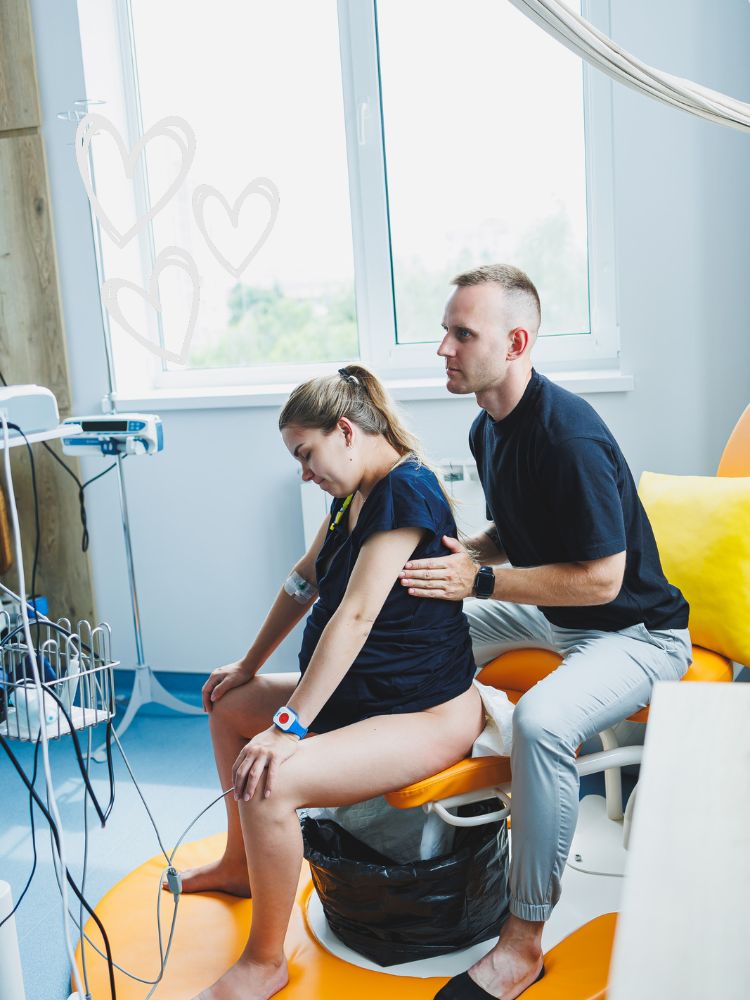
1. Learn What Actually Happens During Labor and Birth
A little childbirth education can make a big difference in how prepared you feel when labor starts. You don’t need to memorize every medical term, but it helps to know the broad stages of the birth process and why your healthcare team might recommend particular interventions.
Early labor (the latent phase)
Early labor is when contractions begin helping the cervix soften, thin, and open. Contractions may start out irregular or relatively mild and become more consistent over time. This stage can take hours—or sometimes longer—especially with a first baby. If your care team says it’s safe to stay home, resting, eating and drinking as directed, changing positions, taking a warm shower, or relaxing with your support person may help you cope.
Active labor, pushing, and birth
As labor becomes established, contractions generally get stronger and more regular. Your cervix continues to open, and your healthcare team monitors how you and your baby are doing. Eventually, you’ll move into the pushing stage (if you are giving birth vaginally), followed by the birth of the placenta. Different positions, support, and pain relief options may be useful at different points.
Your baby’s position, the way labor progresses, and your own health can affect what happens next. Some parents have a vaginal delivery; others need or choose a cesarean birth. Neither is a test of how well you prepared.
For a straightforward explanation of labor stages, see the NHS guide to the stages of labor.
2. Take a Childbirth Class That Matches Your Needs
A childbirth class is one of the most practical investments of time you can make before your baby arrives. Look for a birthing class or antenatal classes that cover more than just breathing: signs of labor, what happens during a vaginal birth or cesarean section, pain relief options, medical interventions, partner support, and the first hours after delivery.
Online childbirth classes can work beautifully for busy schedules, and in-person classes can be great for hands-on practice and questions. If you’re giving birth at a hospital, ask whether your facility offers a tour or a class specific to its policies.
- What does early labor look like, and when should we call?
- What comfort measures can we try at home and in the delivery room?
- What are the benefits, risks, and timing of available pain medications?
- What happens if induction, assisted delivery, or cesarean birth becomes necessary?
- How can my partner or other support people help during each stage?
- What happens immediately after birth, including skin-to-skin contact and feeding support?
If you’re interested in the Mama Natural Birth Course, it’s an online option focused on childbirth education and coping skills. I’d compare its current curriculum and price with other courses before enrolling, and choose the class that best supports your preferences—not someone else’s vision of the perfect birth.
3. Create a Flexible Birth Plan (Not a Birth Script)
I love the idea of birth preferences. I’m less attached to the idea that labor will follow a perfectly choreographed plan, because babies are famously uninterested in our schedules.
A birth plan is simply a short way to communicate what matters to you and the questions you want your healthcare team to answer. One page is usually much easier to use than a binder full of instructions.
- Where you’re hoping to give birth: hospital, birth center, or another medically appropriate setting.
- Who you want in the room and how you want them involved.
- Preferences for movement, positions, lighting, music, and relaxation techniques.
- How you want to approach pain medicine, including an epidural or other options.
- Your preferences for discussion and consent before medical interventions when circumstances allow.
- Questions about labor induction, monitoring, assisted delivery, and cesarean birth.
- What you hope for immediately after birth, including feeding, skin-to-skin contact, and support if you’re separated from your baby.
Your care team may recommend a change in plans based on your health or your baby’s wellbeing. Being flexible does not mean your preferences don’t matter. It means you have a starting point for informed conversations.
4. Practice Comfort Measures Before Labor Begins
Whether you’re planning an unmedicated birth or want an epidural as soon as it’s available, it’s a good idea to have a few comfort strategies ready. Medication may not be available immediately, and these techniques can still help you feel calmer and more supported.
Breathing and relaxation techniques
Try slow breathing, relaxing your jaw and shoulders, listening to music, or focusing on one contraction at a time. There’s no magical breathing pattern that makes labor painless. The goal is to have a familiar technique you can return to when things feel intense.
Movement, positions, and a birth ball
Walking, leaning forward, hands-and-knees, side-lying, or gently swaying with a support person are different ways to change your position. A birth ball may be comfortable for some people, especially when lower back pressure is an issue. Your options may change if you have monitoring, an epidural, or other medical needs—ask your healthcare team what’s safe.
Warm water and hands-on support
A warm shower, warm bath, massage, counterpressure on the lower back, or water therapy may make parts of labor more manageable. Ask your birth location what facilities are available and whether any medical conditions limit water immersion.
For more ideas, read my guide to managing labor discomfort. Not every technique works for every person, and you’re allowed to change your mind about pain relief.
5. Talk Through Your Pain Relief and Medical Care Options
An unmedicated birth is one option. An epidural, IV pain medication, or other medical support may be part of your birth experience too. There’s no moral scoreboard here.
Before delivery, ask your healthcare provider what’s offered at your birth location, what the benefits and tradeoffs are, and how your options might change if labor lasts longer than expected or if a medical intervention becomes necessary.
If you’re planning a birth center delivery, it’s particularly helpful to understand which services are available on site, what would lead to a transfer, and how that transfer would work. If you have a planned cesarean section, ask about anesthesia, your support person’s role, immediate newborn care, pain control, and recovery at home.
The goal is to know your options and feel able to ask questions—not to predict every twist in the story.
6. Know the Signs of Labor and When to Call
One of the biggest questions in late pregnancy is: How will I know when it’s actually time? Unfortunately, labor doesn’t always begin with a dramatic gush of water like it does on television.
Contractions versus Braxton Hicks contractions
Braxton Hicks contractions can feel like tightening and may ease when you rest, change position, or hydrate. Labor contractions generally become more regular, closer together, longer, or stronger over time, although individual patterns vary. You don’t have to figure this out alone—call your care team if you’re unsure.
What if your water breaks?
Your baby grows inside a fluid-filled amniotic sac. When those membranes rupture, you might experience a huge gush of water or only a steady trickle. Call your healthcare provider or labor and delivery unit if you think your water has broken, even if contractions haven’t started. Note the time and the fluid’s color if you can. Seek urgent guidance for green or brown fluid, significant bleeding, or other concerning symptoms.
When should you head to the hospital or birth center?
You may hear the “5-1-1 rule”: contractions about five minutes apart, lasting one minute each, for one hour. It can be a useful conversation starter, but it is not a universal rule. Your team may give you different instructions depending on your pregnancy, how far you live from your birth location, or how quickly labor progresses.
Call promptly if you have possible labor signs before 37 weeks, vaginal bleeding, reduced fetal movement, severe headache, vision changes, or symptoms that worry you. For severe symptoms or an emergency, seek immediate medical care. Keep your care team’s specific phone number easily accessible.
The ACOG guide to recognizing labor is a helpful reference to review with your provider.

7. Prepare Your Body Gently—Without Trying to Force Labor
You do not need an elaborate “labor prep” routine to have a good birth. If your healthcare provider says exercise is safe, gentle walking, regular movement, and comfortable prenatal yoga can support your overall wellbeing. Skip any yoga pose or activity that causes pain, dizziness, or discomfort, and avoid pushing through symptoms.
Pelvic floor exercises and physical therapy
Your pelvic floor muscles support your bladder, bowel, and pelvic organs during pregnancy. Both the ability to contract and relax those muscles can matter. If you have pelvic pain, leaking, significant pressure, or concerns about pelvic organ prolapse, ask whether a pelvic floor physical therapist could help. Not everyone needs the same exercises, and doing more Kegels is not automatically better.
What about perineal massage?
Some research suggests that antenatal perineal massage during late pregnancy may modestly reduce certain types of perineal trauma or the need for stitches, particularly for first vaginal births. It does not guarantee that you won’t tear. Ask your midwife or obstetrician whether it’s appropriate for you and how to do it safely; avoid it when your care team advises against it or if your membranes may have ruptured.
Do you need red raspberry leaf tea or labor-inducing tricks?
You’ll hear plenty of advice on social media about red raspberry leaf tea, dates, or exercises that supposedly make birth quicker or easier. Evidence for many “natural induction” suggestions is limited or inconsistent, and herbal products aren’t automatically safe in pregnancy. Check with your healthcare professional before using supplements or attempting to start labor at home.
If you want one thing to prioritize here, make it the basics: eat regularly, follow any dietary advice for your pregnancy, rest when you can, stay appropriately hydrated, and keep your prenatal appointments.
8. Choose Your Birth Support Team and Talk About Their Jobs
Your main support person shouldn’t have to guess what you need while you’re in active labor. Have a conversation now, while everyone is relatively well-rested.
- Who will drive or help you get to the hospital or birth center?
- Who will communicate with family members and manage updates?
- Would you like reminders to sip water, change positions, or ask about comfort measures?
- Who can advocate for quiet or privacy when you need it?
- If labor takes an unexpected turn, who can help you ask questions and understand your options?
Your support team might include a partner, trusted family member, friend, doula, nurse, midwife, or physician. A doula provides nonmedical emotional, informational, and physical support; your healthcare team is responsible for medical evaluation and care.
It’s also a good time to discuss visitor boundaries. You can love your people and still decide you don’t want an audience while you recover.
9. Get Your Hospital or Birth Center Logistics Sorted Out
One of the easiest ways to lower last-minute stress is to handle the boring-but-important details ahead of time.
- Know exactly where to go, where to park, and which entrance to use after hours.
- Save the labor-and-delivery phone number in both your phone and your support person’s phone.
- Ask about registration, insurance details, identification, and hospital policies.
- Install an appropriate infant car seat according to the manufacturer’s instructions, and have the fit checked by a qualified technician if available.
- Arrange care for older children and pets, including a backup plan.
- Pack a hospital or birth center bag with comfortable clothes, toiletries, phone chargers, any needed medications, and a going-home outfit for baby.
- Check which postpartum supplies your birth location provides so you don’t pack the entire house.
Around the beginning of your final month is a practical time to finish packing, though you may want to prepare earlier if your healthcare provider advises it. Due dates are estimates, after all.
And if you’re already in the third trimester feeling behind? A small bag with essentials beats a perfectly color-coordinated packing list that never gets packed.
10. Make a Postpartum Plan Before Your Baby Arrives
This is the step I wish got as much attention as choosing a stroller. The birth is a huge milestone, but you deserve care and support after your baby arrives, too.
As a postpartum doula, I encourage families to think through recovery, feeding, meals, rest, mental health support, and who to contact when something doesn’t feel right. The American College of Obstetricians and Gynecologists recommends planning postpartum care during pregnancy rather than waiting until after delivery.
Set up a simple recovery station
Keep pads or disposable underwear, a peri bottle if recommended, a water bottle, snacks, chargers, and any clinician-approved comfort items where you’ll spend time recovering. My postpartum essentials checklist can help you figure out what’s genuinely useful without buying every product on the internet.
Line up meals and practical help
If friends ask how they can help, give them a real answer: drop off dinner, hold the baby while you shower, walk the dog, or handle the dishes. Postpartum meal planning is one of my favorite ways to take something off your future plate—literally.
Think through feeding support before you need it
Whether you plan to breastfeed, pump, formula feed, or combine methods, know who can help if questions come up. Ask your birth location about lactation consultant availability and when to seek feeding support. If you plan to pump, make sure you know how to access your breast pump and where to find its instructions.
Know what recovery and follow-up can look like
Recovery after vaginal birth and cesarean birth can look very different, and even two vaginal births aren’t necessarily alike. Read my vaginal birth recovery guide and ask your provider about follow-up appointments and warning signs before you go home. You also deserve support for your mental health, not just your physical recovery.
My Fourth Trimester Toolkit goes deeper into practical postpartum planning, newborn care, and the first weeks at home. If you’d like a more guided approach, you can explore it through the postpartum resources on Mimosas & Motherhood.
11. Consider the Possibilities, Then Give Yourself Permission to Be Flexible
Maybe you’ve pictured an unmedicated birth from the beginning. Maybe an epidural is part of your plan. Maybe you have a scheduled cesarean, an induction, or a medical reason your healthcare team recommends something different.
None of those possibilities means you’re doing birth wrong. Preparing for childbirth is not about proving how much discomfort you can tolerate. It’s about understanding what’s happening, making informed choices when possible, and having people around you who respect and support you.
I had three unmedicated births at a birth center, and I value that experience. But my story is only one story—not a prescription for anyone else’s birth. Your circumstances, your preferences, and your healthcare needs are what matter.

When Should You Start Preparing for Childbirth?
You can start learning whenever you feel ready, but you don’t need to complete every task in your first trimester. Here’s a flexible timeline to make the process less overwhelming.
Second trimester
- Explore childbirth classes and your birth location’s policies.
- Think about who you want on your support team.
- Start discussing birth preferences and any medical questions with your care team.
Early third trimester
- Take or finish your childbirth class.
- Practice comfortable breathing, positions, and relaxation techniques.
- Discuss pain relief options, labor signs, and when to call your provider.
- Begin making a postpartum care plan.
Final weeks before your due date
- Pack your bag and confirm your transportation and childcare plans.
- Check that your car seat is ready.
- Stock a few recovery essentials and easy meals.
- Save important phone numbers and review the signs that mean you should call right away.
- Rest when you can. You do not need to squeeze in one more huge project.
Frequently Asked Questions About Preparing for Childbirth
How do I prepare for childbirth for the first time?
Start with a childbirth class, a conversation with your healthcare provider about labor signs and your birth preferences, and a practical plan for transportation and support. Then prepare a few comfort strategies and a basic postpartum plan. You don’t need to buy everything or predict every detail.
What helps you feel less scared of giving birth?
Clear information, a supportive healthcare team, and having space to ask questions can help. If fear about childbirth is affecting your sleep or daily life, tell your provider. They can help you find mental health support or a clinician experienced in birth-related anxiety.
Do I need a birth plan?
No, but writing down your top preferences can make conversations easier. Think of it as a flexible communication tool, not a contract for how birth must unfold.
Can I prepare for an unmedicated birth and still choose an epidural?
Absolutely. Breathing, movement, support, and education can help regardless of the kind of birth you have. Changing your mind about pain medication is not a failure.
What should I do if my water breaks before contractions begin?
Call your healthcare provider or labor-and-delivery unit promptly and follow their instructions. Your water breaking may feel like a gush or a trickle. Note the time and appearance of the fluid if possible.
Should I do perineal massage or pelvic floor exercises before birth?
They may be helpful for some people, but they are not required and should be individualized. Ask your clinician or a pelvic floor physical therapist whether they fit your pregnancy, symptoms, and goals.

You Don’t Have to Have Everything Figured Out
If there’s one thing I hope you take from this guide, it’s this: you can be informed, prepared, and supported without having every minute of your baby’s birth planned.
Learn what you can. Ask the questions that matter to you. Put a few practical systems in place for the days after delivery. Then give yourself the same grace you’d give a friend who’s about to do something big and life-changing.
If you’re building your childbirth and postpartum checklist, save this article and explore what recovery after a vaginal birth can look like and how to take a postpartum sitz bath. Those are conversations worth having before your little one arrives.
What’s the one thing you’re most curious—or nervous—about when it comes to giving birth? Share it in the comments. You’re almost certainly not the only one wondering.