
Toddler Sleep Schedule: A Flexible Guide for 15 Months Through 4 Years Old
Learn how much sleep toddlers need, sample 1-nap schedules, bedtime tips, and flexible routines from a postpartum doula.

Toddler sleep can feel like a moving target. Just when you think you’ve nailed a solid routine, something shifts — a nap transition, a growth spurt, separation anxiety, a new preschool schedule, or a sudden sleep regression that shows up out of nowhere.
Suddenly your once-predictable sleeper is fighting bedtime, taking short naps, or waking in the middle of the night asking for water, snacks or reassurance. You’re not alone!
As a certified postpartum doula and mom of three, I’ve lived this stage from every angle. My own children stopped napping at wildly different ages — one around 4 years old, one just after turning 2, and one at about 30 months. Same parents. Same house. Very different sleep needs.
The good news? That wide range is normal.
This guide is designed to give you a realistic, age-appropriate toddler sleep schedule for 15 months old through 4 years, rooted in sleep research, recommendations from the American Academy of Pediatrics, and what actually works for real families juggling daycare, preschool, and everyday life.
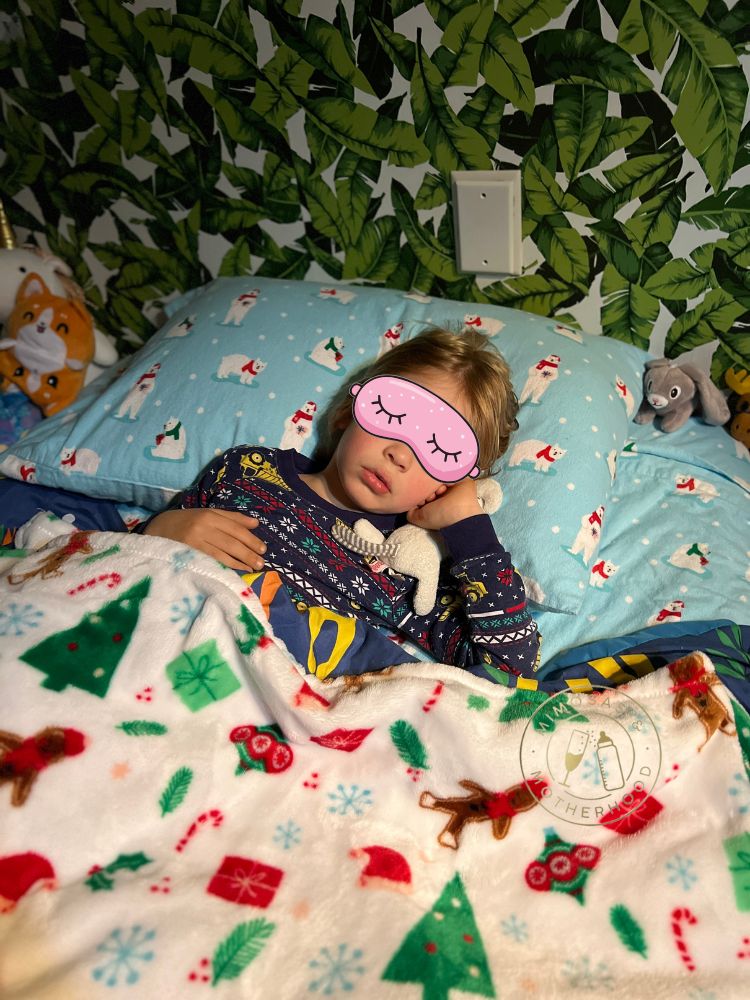
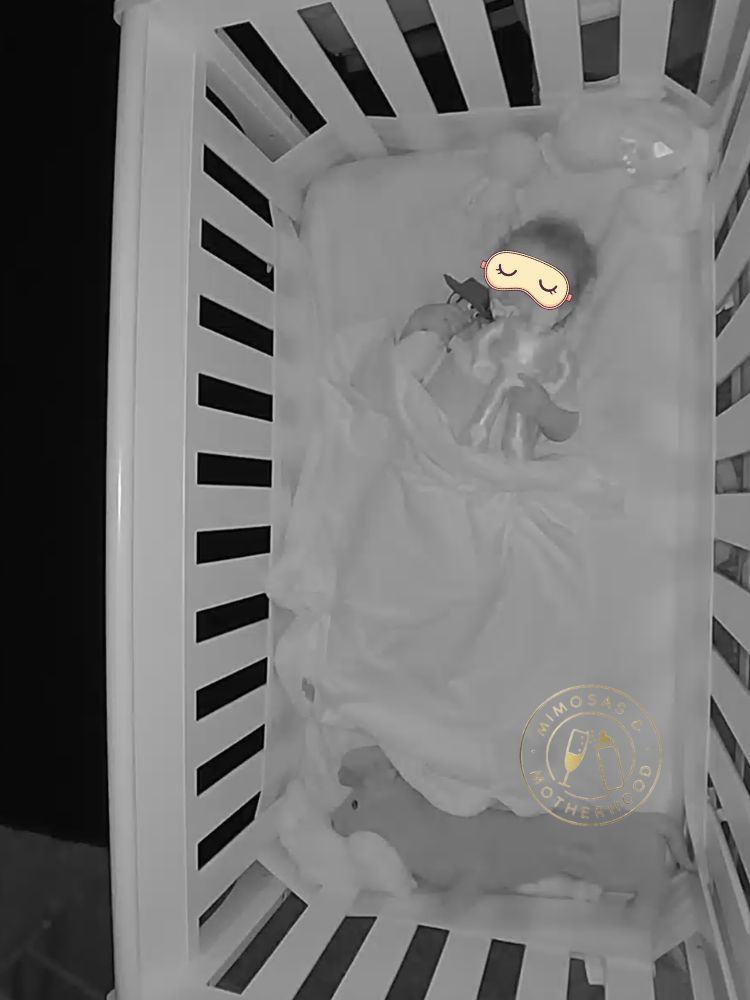
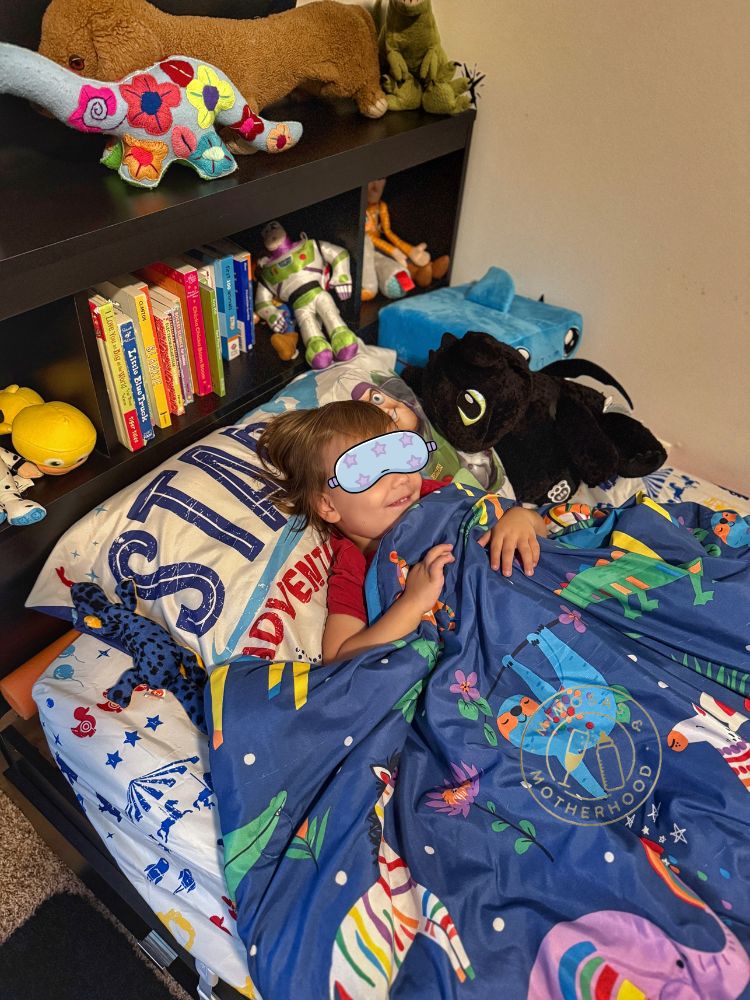
One quick note: the images in this post are of my own children. I’ve chosen to cover their faces in this photos with cute masks for privacy. In case of any confusion, please remember that it’s never safe for your children to sleep with anything on their face!
Note: Some links may be affiliate links. That means I may make a commission if you use my links to purchase, at no extra added cost to you! I only recommend products that I personally love and believe in. Full disclaimer here.

How Much Sleep Do Toddlers Actually Need?
According to the American Academy of Pediatrics and the American Academy of Sleep Medicine, most toddlers need 12–14 hours of total sleep in a 24-hour period. That typically includes:
- 10–12 hours of overnight sleep
- 2–3 hours of daytime sleep, usually as a single nap
Keep in mind that’s the average amount of sleep, not a rule.
Some toddlers fall on the higher sleep end, others need less sleep to function well. Energy levels, temperament, developmental milestones, and environmental factors all play a role.
Your primary objective isn’t forcing a rigid schedule. It’s helping your child get enough sleep to support healthy growth, emotional regulation, and learning.
Understanding the 1-Nap Transition (and Why It’s a Big Deal)
Between 13–18 months of age, many toddlers move from a 2-nap schedule to a 1-nap schedule. This transition can take a couple of weeks or longer, and often overlaps with major developmental milestones.
Common signs your toddler is ready for a single nap include:
- Fighting the second nap
- Taking short naps
- Bedtime battles or later bedtime
- Increased night wakings
- Big emotional reactions late in the day
This is a big change for a toddler’s brain and body. Regression-like behavior, including a 15-month sleep regression or 18-month sleep regression, is incredibly common here.
Wake Windows for Toddlers: A Helpful (Not Rigid) Tool
Wake windows matter, but they’re not one-size-fits-all. For most toddlers on a 1-nap schedule, awake time falls around:
- 5–6 hours before nap time
- 5–6 hours between nap and bedtime
That said, some children do best with shorter awake time, while others need enough active awake time to build sleep pressure. Watch for sleepy cues like eye rubbing, zoning out, clumsiness, or increased meltdowns. These cues matter more than the clock.
Sample Toddler Sleep Schedule (15 Months–4 Years)
Here’s a sample sleep schedule using a 1-nap routine similar to what worked well for my own kids.
Sample 1 Daytime Nap Toddler Schedule
7:00 AM – Wake-up time
1:00–3:00 PM – Nap time
3:00 PM – Wake from nap
7:00– Bedtime
Toddler sleep is very different from a baby sleep schedule. Many toddlers thrive with a 1pm–3pm afternoon nap, especially those in preschool or daycare settings. This timing often supports solid naps and a great night’s sleep. You’ll notice this sample schedule is very bare bones, as how the hours of awake time can vary so much at this age.
If naps run short (an hour nap or less), an earlier bedtime is usually a good idea for quality of your child’s sleep at night. My kid’s normal bedtime was 7pm at this age, but your child might need an earlier or later bedtime depending on your child’s schedule or nap patterns.
Why Nap Length Matters (But Isn’t Everything)
Nap lengths can vary day to day. Some toddlers take a luxurious 2–3 hour nap. Others max out at 60–90 minutes.
Short naps don’t automatically mean a problem. However, consistently short naps may point to:
- Overtiredness
- A schedule that needs a slight adjustment
- Developmental leaps
- Too much screen time close to nap or bedtime
Focus on patterns, not single days.

When Quiet Time Replaces Nap Time
Many toddlers stop napping between 2–4 years old, but still benefit from quiet time. Quiet time isn’t “giving up” on rest — it’s a good indication your child still needs downtime.
Quiet time ideas:
- Looking at books in a dark room
- Puzzles or calm toys
- Audiobooks or soft music
- Resting in bed without pressure to sleep
- Sensory bins (with supervision)
Even when naps disappear, maintaining a daily rest period supports healthy sleep habits and emotional regulation.
Bedtime Routines: Your Secret Weapon
A consistent bedtime routine is one of the most powerful tools for toddler sleep, especially when it comes to healthy sleep patterns.
A good routine might include:
- Bath
- Pajamas or sleep sack
- Books
- Snuggles
- Lights out
The goal is predictability. Toddlers feel safer when they know what comes next, especially during periods of separation anxiety, arrival of a new sibling, night terrors, or fear of the dark.
Common Toddler Sleep Challenges (and What Helps)
Night Waking– Night waking can be caused by:
- Developmental milestones
- Hunger or growth spurts
- Changes like moving to a toddler bed
- Big life changes (new sibling, new daycare)
Respond calmly and consistently. Avoid introducing new sleep crutches during regressions (like being allowed to sleep in your bed) when experiencing these sleep problems.
Bedtime Battles– Bedtime battles are often linked to:
- Too much daytime sleep
- Not enough daytime sleep
- Overstimulation
- A bedtime that’s too late
Adjusting bedtime earlier by 15–30 minutes can make a big difference.
Screen Time and Toddler Sleep
The American Academy of Pediatrics recommends limiting screen time for young children, especially before bed.
Blue light can interfere with your child’s circadian rhythm, making it harder to settle and stay asleep. Keeping screens off at least 1 hour before bedtime supports smoother sleep onset.
Nutrition and Sleep: The Toddler Connection
While solid foods become the main source of nutrition after infancy, hunger can still disrupt sleep.
Helpful tips for nutrition and sleep:
- Offer a balanced dinner with protein, fat, and carbs
- Include a bedtime snack if needed (think yogurt or peanut butter toast)
- Avoid sugary foods close to bedtime
- Hydration matters too, but limit large amounts of liquids right before sleep to reduce night waking.
Should You Sleep Train a Toddler?
Sleep training is a personal choice, not a requirement. Some families benefit from structured approaches. Others focus on gentle sleep support, consistency, and responsiveness.
As a doula, my approach is always to look at your child’s temperament, your family’s values and your mental health.
There’s no single “best way.” The best approach is the one you can maintain.
When to Adjust Your Toddler’s Sleep Schedule
It may be time to reassess your toddler’s sleep if you’re seeing:
- Chronic overtiredness
- Persistent night wakings
- Daily meltdowns
- Falling asleep too late
- Struggling to wake in the morning
Small changes, not overhauls, usually work best. Think 15–30 minute shifts, one change at a time.
A Gentle Reminder for Parents When It Comes to Toddler Sleep
Toddler sleep isn’t linear. There will be weeks where everything clicks, and weeks where it all falls apart again. That doesn’t mean you’re doing anything wrong!
Sleep needs change as children grow, hit new milestones, and move at their own pace. Flexibility, consistency, and trust in your instincts go a long way.
You’re not trying to create a perfect schedule. You’re building a predictable rhythm that supports your child, and gives you a much-needed break, too.
A toddler sleep schedule from 15 months through 4 years should be age-appropriate, flexible, rooted in healthy sleep habits and adaptable to real life. Try not to focus so much on hours of sleep. If your child is getting enough sleep, waking rested, and functioning well during the day, you’re on the right track.
And if sleep feels hard right now? You’re not alone. This season is full of change, and it does get easier.
If you enjoyed this article, use the image below to pin it to your Pinterest board to make it easy to find next time!